
Organizing transit for how Africans actually move.
African cities run on shared movement. Every morning, millions of workers, students, and traders wake up before dawn to power our economy. Yet for decades, the transit systems they depend on have been left disorganized, unpredictable, and exhausting. OKA is building the dignified, high-speed transit network Africa deserves.
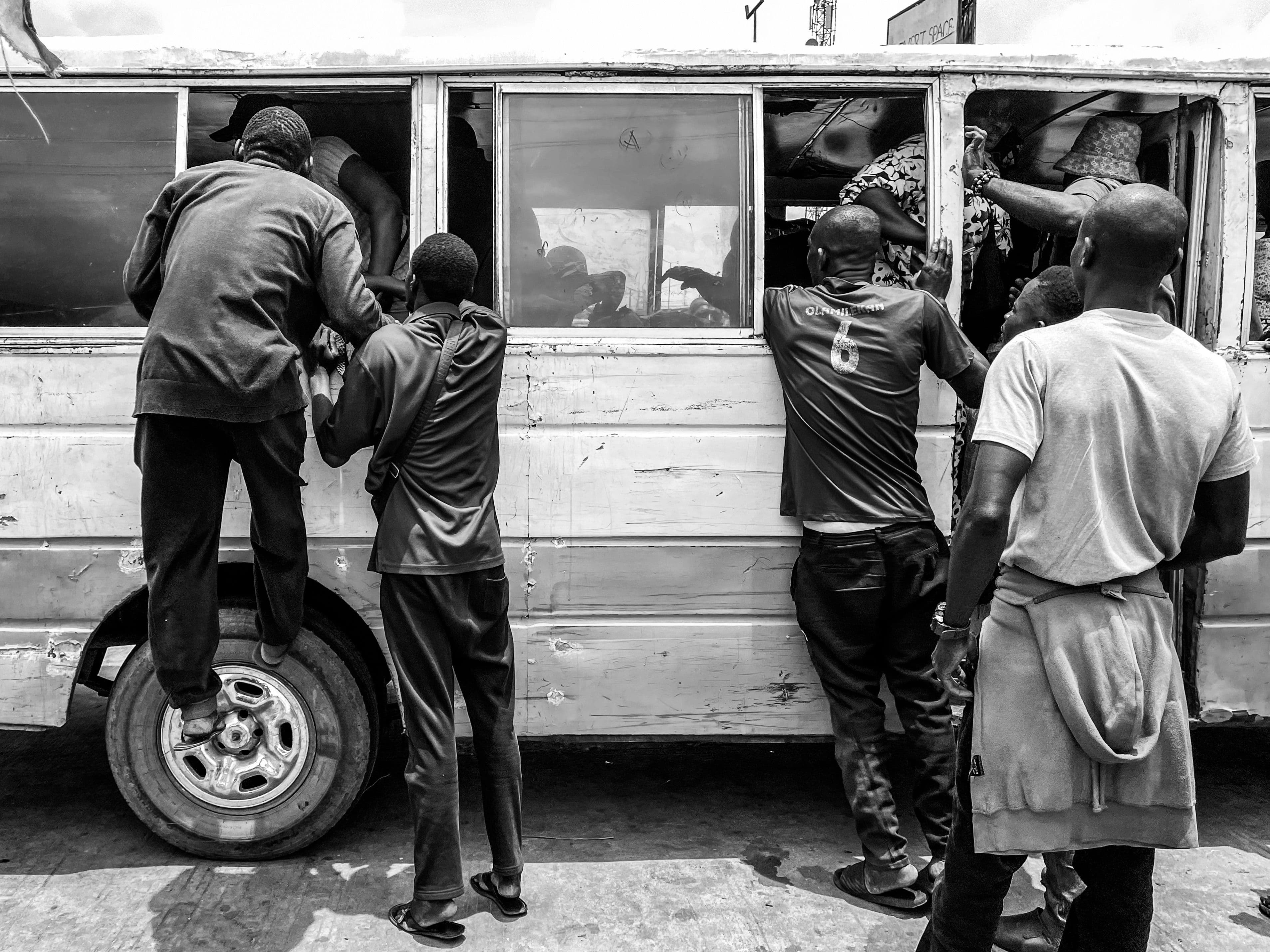
Trapped between chaotic informality and unaffordable luxury.
African commuters face an unfair choice every day: spend hours fighting for a seat on an unpredictable minibus, or pay half a day's wage for a private ride-hailing cab.
1. The Invisible Time Tax
The average commuter in Abidjan loses between two and four hours each day standing in static roadside lines. This lost time robs people of productive work, rest, and time with their children.
2. The Physical Scramble for Seats
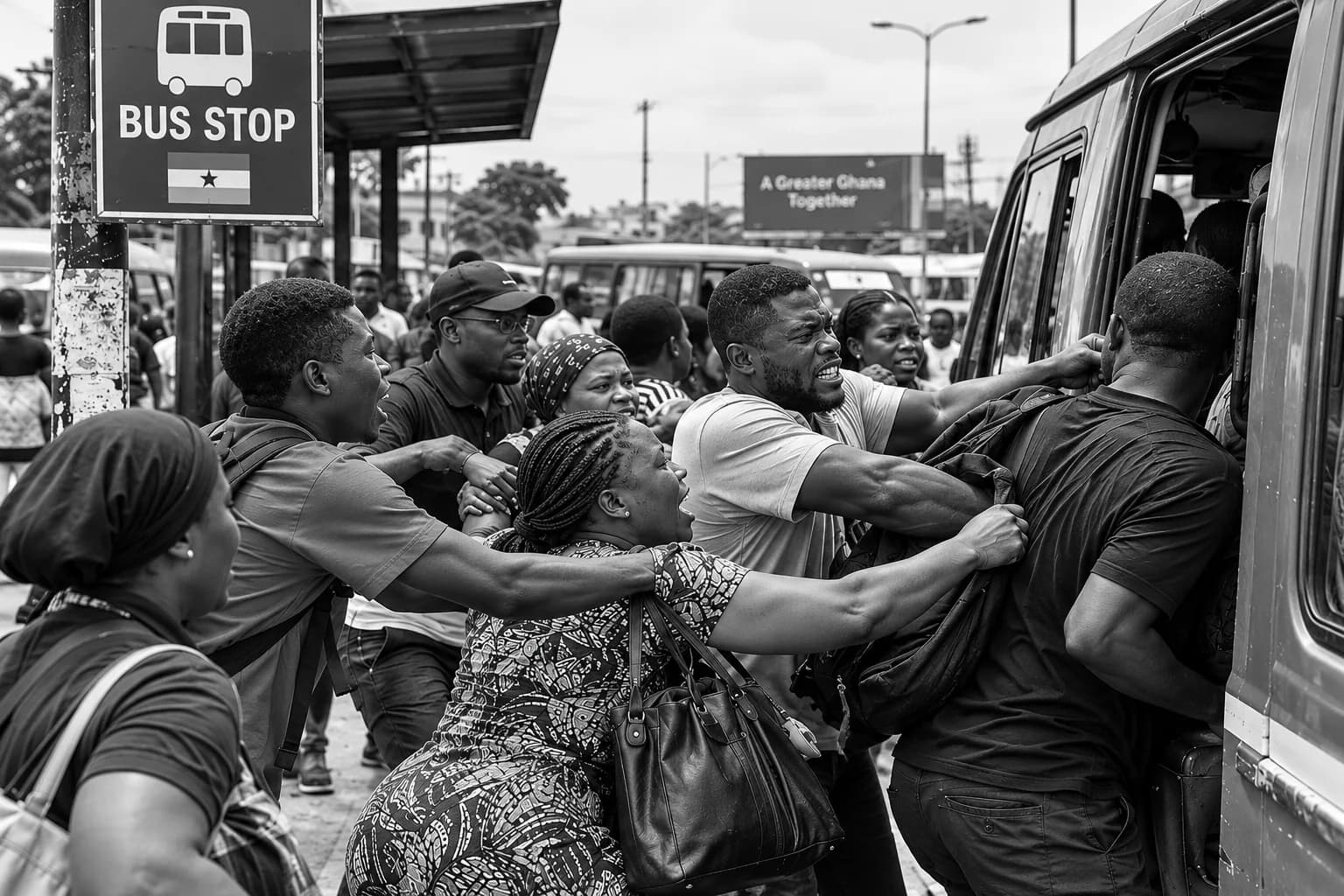
Because seats cannot be reserved in advance, arriving vehicles trigger instant chaos. Elderly passengers, nursing mothers, and workers carrying goods are consistently pushed aside and stranded in the dark or rain.
3. The Private Ride-Hailing Dilemma
Western ride-hailing apps were engineered for occasional private taxi rides, not mass daily commuting. During morning and evening peak hours, algorithm surges drive fares up to 5x, making private cars impossible for everyday citizens.
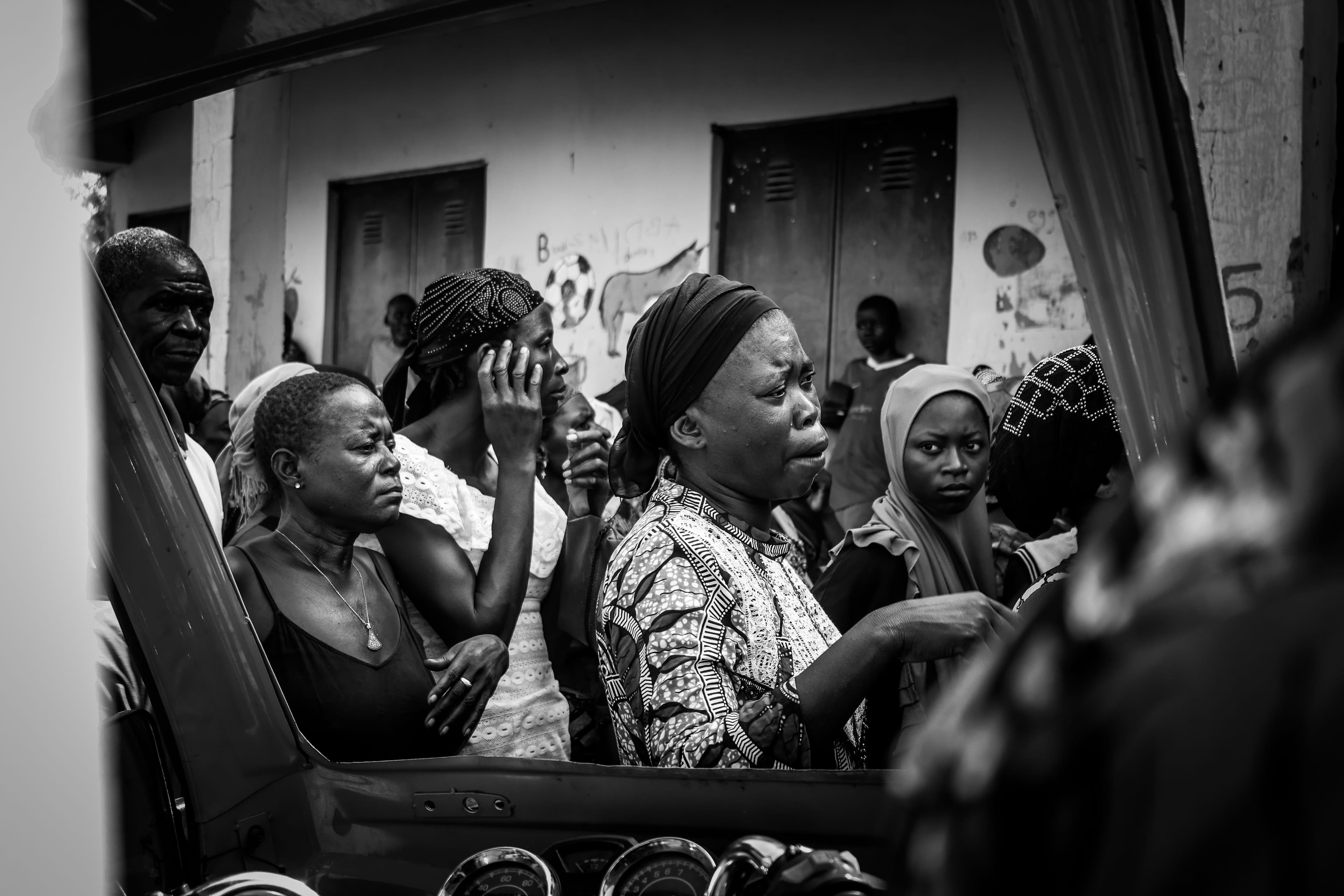
Why OKA exists: To bridge the massive void in African transit.
On one end, you have informal gbakas & wôrô-wôrôs: affordable, but exhausting, unpredictable, and physically draining. On the other end, you have private ride-hailing: convenient, but far too expensive for daily travel. Between these two extremes lies the vast majority of commuters who simply want clean, fast, guaranteed shared transport at a sensible price.
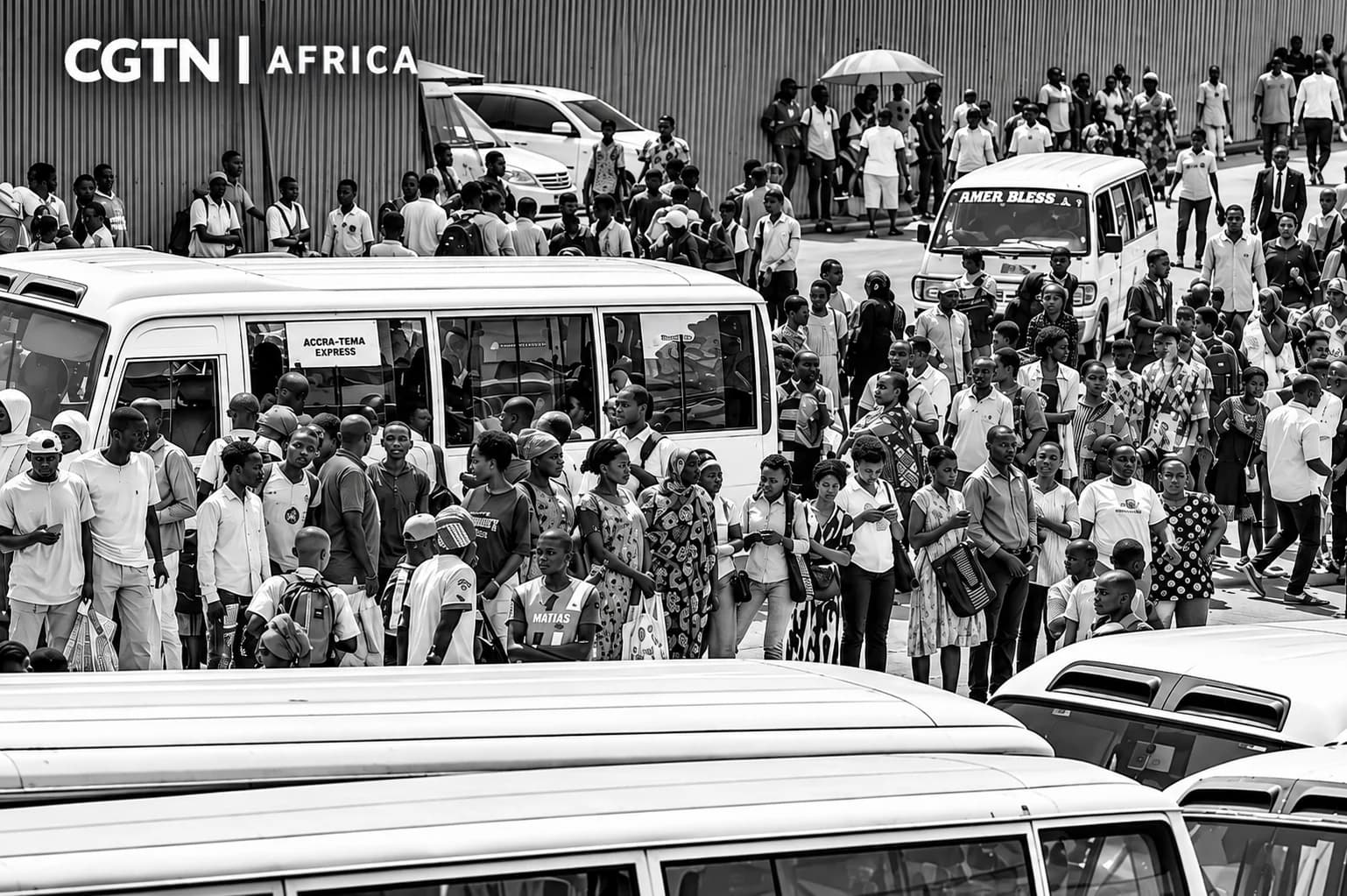
The daily commute should not be a survival test.
These are the real, unvarnished experiences of everyday commuters across Abidjan. The hours lost, the physical rush, and the impossible trade-offs millions are forced to make twice every blessed day.
“I leave home at 6:00 AM, yet I reach work late almost every single day. We just stand there queuing, hoping a car will come.”
Every single morning brings the exact same knot in my stomach. You arrive at Asafo with dozens of other workers. Nobody knows when a trotro or shared taxi will pull in. The vehicle might arrive in ten minutes, or it might take over an hour. You cannot even step aside to buy water because if you lose your spot in line, you start all over again. By the time you finally squeeze into a car, your clothes are creased, you are exhausted, and your supervisor is already calling. Why must earning an honest living start with so much stress every day?
“I close from work at 5:00 PM, but I do not reach home until 9:30 or 10:00 PM. Four hours every evening are swallowed by roadside queues.”
Closing from work on time never means reaching your family on time. At 5:00 PM, the roadside at Amakom is completely packed with tired people. You stand there for hours watching full car after full car pass by without stopping. By the time I open my door at home in Atonsu around 10:00 PM, my children are already sleeping and my food is cold. Those four hours lost each evening steal precious moments with my family that I can never get back. We are not asking for luxury. We just want a reliable way to get home.
“When a trotro finally pulls up, it turns into a wrestling match. Only the strongest and fastest get seats.”
The second headlights appear in the dark, order disappears. The entire queue breaks into a violent sprint. People push, shove, and elbow each other just to reach the door. If you are gentle, carrying heavy goods, or older, you will be pushed aside and stranded there until midnight. Young men jump through the sliding door while the car is still slowing down. Commuting in our city should be an orderly public service, not a competition where only the aggressive survive.
“People ask why we keep queuing for trotros when Bolt and Uber exist. The truth is simple: who can afford 60 cedis every single evening?”
We all have ride-hailing apps installed on our smartphones. But when 5:30 PM hits, private apps trigger up to 5x surge multipliers. A simple trip that should cost 15 cedis suddenly shoots up to 60 or 70 cedis. That is more than what many people earn in an entire day of honest work! We queue for shared transit not because we enjoy the dirt and shouting, but because it is what we can afford. Why should choosing an affordable fare mean giving up your basic human dignity?
How OKA is redefining the daily commute.
We combined the speed and low cost of mass shared transit with the predictability, dignity, and safety of modern mobile technology.
Guaranteed Booked Seats
Book your seat digitally before the car arrives. A secure Ticket ID reserves your spot on the manifest. When the vehicle reaches your station node, you step in calmly knowing your seat is waiting.
Fixed High-Frequency Corridors
Instead of empty private cars roaming residential backstreets, OKA operates along high-density commuter arteries. Real-time GPS tracking gives you exact arrival ETAs so you never wait blindly again.
Predictable Whole-CFA Francs Fares
Fares are always calculated in whole CFA Francs with zero sudden rush-hour gouging. You get comfortable, air-conditioned shared travel at a price you can easily afford twice every day.
Direct & Dignified Driver Earnings
Riders pay drivers directly in cash or instant Mobile Money. Drivers top up their prepaid platform balance and keep the vast majority of their hard-earned money without waiting days for bank payouts.
Never fight for a seat.
Affordable fares from CFA 3.00.
Skip chaotic roadside gbakas & wôrô-wôrôs queues and avoid unpredictable 5x surge pricing. Book a guaranteed air-conditioned seat on busy routes, or hail a private ride with fair upfront fares.